

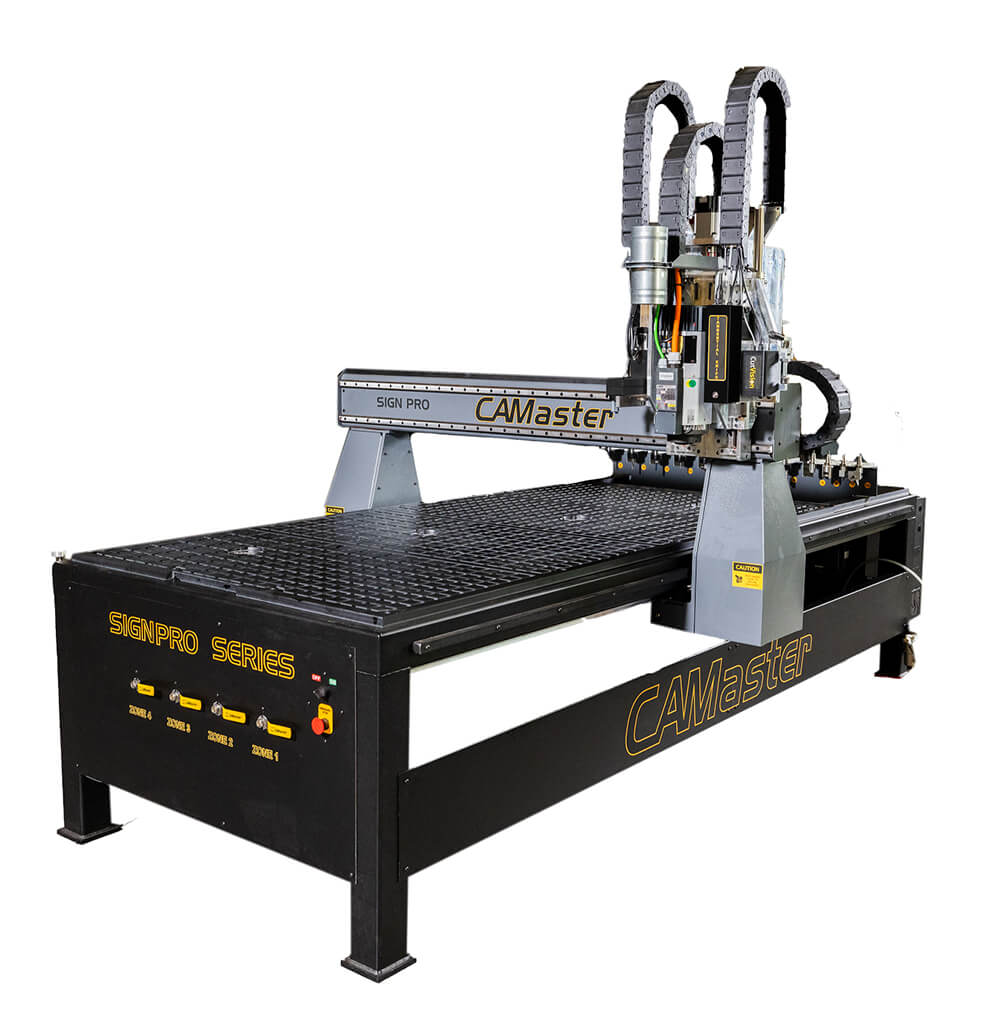
In today’s fast-paced manufacturing and woodworking industries, precision and productivity are key. Whether you’re crafting furniture, signage, or intricate architectural designs, a CNC wood cutting machine offers unmatched efficiency and accuracy. These machines have revolutionized how professionals and hobbyists approach wood fabrication, providing scalable solutions for projects of all sizes. If you’re looking to elevate your craft or business, understanding the capabilities and benefits of CNC technology is essential.
What Is a CNC Wood Cutting Machine?
A CNC wood cutting machine is a computer-controlled device that automates the cutting, carving, drilling, and milling of wood. Unlike traditional manual tools, CNC (Computer Numerical Control) machines follow precise digital instructions to produce consistent and intricate results. Operators use design software to create patterns or plans, which the machine then interprets into tool paths. This level of control ensures clean cuts, reduced waste, and repeatable accuracy every time.
Benefits of Using CNC Machines for Woodworking
Precision and Consistency
Manual cutting often leads to inconsistencies, especially in bulk production. CNC machines eliminate human error, delivering uniform cuts down to fractions of a millimeter. This level of precision is ideal for detailed work such as cabinetry, decorative panels, or customized signage.
Speed and Efficiency
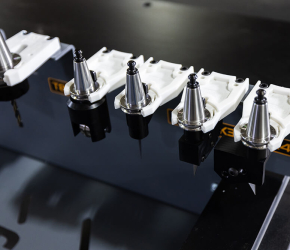
CNC machines drastically reduce production time. Once a design is programmed, the machine can reproduce it quickly with minimal downtime between operations. Automated tool changes, multi-axis control, and high-speed spindles contribute to efficient workflows and higher output.
Cost Savings Over Time
While the initial investment in a CNC wood cutting machine may be significant, it pays off through reduced material waste, fewer labor hours, and minimized errors. The improved efficiency helps businesses scale operations without sacrificing quality.
Versatility Across Applications
From artistic carvings to industrial-grade production, CNC machines adapt to various woodworking needs. Whether you’re a sign maker, cabinet manufacturer, or prototype developer, CNC routers offer the flexibility to handle softwoods, hardwoods, plywood, MDF, and even plastics.
Key Features to Consider When Choosing a CNC Wood Cutter
When selecting a CNC machine, consider factors such as:
- Work Area Size: Choose a machine that accommodates the dimensions of your typical projects.
- Spindle Power: Higher horsepower means better performance in dense materials.
- Software Compatibility: Ensure the router works seamlessly with your preferred CAD/CAM software.
- Dust Collection System: Keep your workspace clean and protect machine components.
- Durability: Industrial-grade frames and components enhance longevity and reliability.
Real-World Uses of CNC Cutting Machines
The rise of CNC technology has transformed many industries. For instance, furniture makers use it to create intricate joint systems and smooth curves. Sign makers rely on CNC routers for detailed engravings and complex cutouts. In education and prototyping, CNC tools help students and engineers bring 3D concepts to life.
These benefits become even more evident with tools like the CAMaster SignPro, a dependable CNC cutting machine built for performance and precision. It’s designed to meet the growing needs of shops handling a variety of wood and composite materials, ensuring consistency without sacrificing creativity.
How to Maximize CNC Router Performance
To get the best results from your machine, follow these best practices:
- Regular Maintenance: Keep the machine clean, lubricated, and calibrated to ensure top performance.
- Proper Training: Invest time in learning software workflows and safety protocols.
- Tool Selection: Use the correct bits and feed rates for your material.
- Design Optimization: Simplify tool paths and avoid unnecessary movements to reduce machining time.
Is a CNC Machine Right for You?
If your business involves repetitive wood fabrication or demands high precision, a CNC wood cutter can be a valuable asset. From improving project turnaround times to offering creative flexibility, these machines empower professionals to do more with less manual effort. They also make scaling easier, especially when dealing with custom projects or tight deadlines.
Final Thoughts
A CNC wood cutting machine is more than just a tool—it’s a smart investment in quality, efficiency, and innovation. With the ability to handle a wide range of woodworking tasks, these machines continue to redefine what’s possible in shops both large and small. Whether you’re starting a new workshop or upgrading your production line, choosing the right CNC solution can elevate your craftsmanship and give you a competitive edge.
Understanding how to use and maintain your CNC equipment ensures long-term performance and maximizes your return on investment. As CNC technology continues to evolve, it’s an exciting time to embrace the power of digital precision in woodworking.














Leave a Reply