

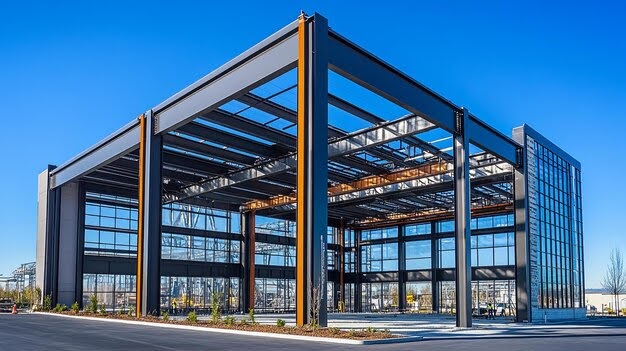
Structural steel is redefining how modern construction projects are planned, designed, and executed. Known for its unmatched strength, flexibility, and longevity, structural steel has become a preferred material for commercial and industrial facilities across the country. Whether you are building a distribution center, warehouse, or mixed-use commercial space, structural steel provides the ideal foundation for long-term success. From cost savings to structural reliability, its benefits go far beyond traditional construction materials.
Why Structural Steel Is the Future of Commercial Construction
The increasing demand for faster, more efficient building methods has put structural steel at the forefront of industrial and commercial development. Builders and developers alike are turning to steel not just for its strength but for the level of control and customization it offers in large-scale projects.
Key Advantages of Structural Steel
- Durability and Longevity: Steel structures are resistant to decay, mold, pests, and extreme weather conditions, ensuring buildings last decades with minimal maintenance.
- Speed of Construction: Components are prefabricated off-site and assembled quickly on location, significantly reducing overall project timelines.
- Design Flexibility: Architects have more freedom to design wide open spaces, curved layouts, and multi-functional facilities.
- High Strength-to-Weight Ratio: Steel provides immense strength without the bulk of concrete or wood, allowing for taller structures and larger spans.
- Fire Resistance and Safety: Properly treated steel can withstand high temperatures and meet rigorous fire safety codes.
- Environmental Sustainability: Steel is 100% recyclable, and modern production uses less energy, reducing the carbon footprint of construction.
Common Applications of Structural Steel
Structural steel is not limited to one sector. Its versatility makes it suitable for a wide range of facilities, including:
- Distribution Centers: With high ceilings and open layouts, these facilities rely on steel to accommodate shelving, inventory, and logistics systems.
- Retail and Commercial Buildings: Ideal for creating expansive floor spaces without interior load-bearing walls.
- Industrial Plants: Designed to support heavy machinery, steel structures are built to handle high loads and vibrations.
- Multi-Use Facilities: From office complexes to sports arenas, steel supports varied architectural demands and occupancy requirements.
- Storage Warehouses: Durable and secure, steel buildings protect valuable equipment and products from environmental damage.
Affordability and Efficiency in the Long Run
While upfront costs may vary depending on size and customization, steel buildings typically offer excellent long-term value. Faster construction means lower labor costs, and reduced maintenance further decreases ongoing expenses. Insulated panels and reflective roofing options can also cut down on energy consumption.
It’s important to consider the current market conditions when planning a project, as metal building prices can fluctuate based on steel supply, fuel costs, and global demand. However, even with market shifts, steel remains a cost-effective material when lifecycle costs are taken into account.
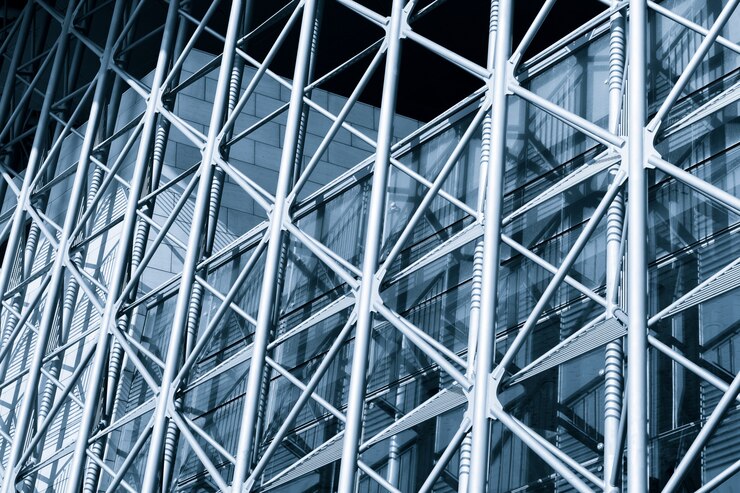
structural steel
Design and Engineering Flexibility
One of the most compelling reasons to choose structural steel is the flexibility it offers during design and engineering. Steel framing can be adapted to a variety of layouts and uses, with options to expand, modify, or repurpose structures as business needs evolve. For example, mezzanines, additional bays, or crane systems can be integrated into the design without requiring significant reconstruction.
This adaptability is a major asset for companies planning for future growth, allowing them to modify spaces quickly and efficiently without needing to rebuild from the ground up.
Meeting Codes and Regulations
Commercial buildings must comply with numerous codes and safety regulations. Structural steel makes it easier to meet these standards due to its reliability and predictability. Engineering teams use advanced software to simulate structural behavior under different conditions, ensuring compliance with wind, snow, and seismic load requirements.
Additionally, steel frames are precision-engineered, reducing the likelihood of construction errors and ensuring that each piece fits perfectly into the final structure. This enhances both safety and structural integrity.
Sustainability and Environmental Benefits
Steel is one of the most sustainable building materials available. Not only is it fully recyclable, but it also reduces the amount of waste generated during construction. Modern steel plants are also increasingly using energy-efficient production methods, which helps reduce the overall environmental impact of your building project.
By using steel, companies can also meet LEED (Leadership in Energy and Environmental Design) standards and other green building certifications, which are becoming essential in today’s environmentally conscious market.
Final Thoughts
Structural steel is more than just a building material—it’s a strategic asset for businesses seeking to construct reliable, scalable, and cost-effective facilities. With benefits ranging from speed and safety to environmental responsibility and long-term savings, steel is setting the standard for modern construction. If you’re planning a commercial or industrial project, investing in structural steel is a smart, future-ready choice that delivers both performance and peace of mind.













Leave a Reply